
Integrated Logging Stack for
End-to-End Control
Fluent Bit + Chronosphere Telemetry Pipeline + Chronosphere Logs
Tame runaway costs. Simplify migrations. Cut through the noise. Chronosphere unifies your logging architecture so you can reduce volume, optimize spend, and speed up incident response – without sacrificing visibility.
We Power Observability for the Most Demanding, High-Volume Workloads












Why Teams Need an Integrated Logging Architecture
Three critical pain points forcing organizations to rethink their entire log management approach.
Runaway Logging Costs
Log volumes grew 250% last year alone. Most platforms charge per GB ingested, making it too expensive to store everything customers generate daily.
Management Complexity
Multiple agents and destinations create operational chaos. Teams waste time managing fragmented tools instead of building value.
Too Much Noise, Too Little Signal
Engineers spend hours sifting through meaningless logs during incidents. Poor performance slows critical investigations.
How The Stack Fits Together
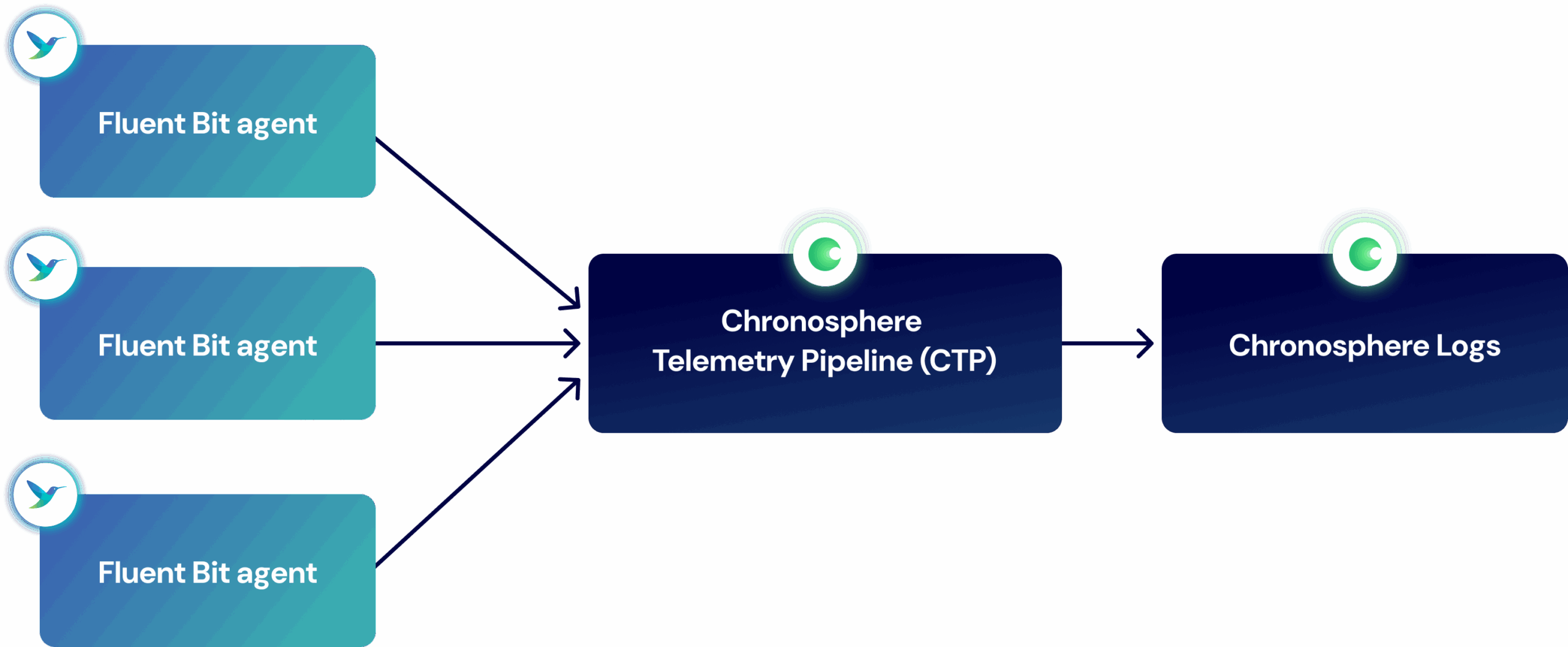
A modern logging architecture has three layers: collection agents, a telemetry pipeline for pre-egress processing and routing, and a log analysis platform where teams investigate and act.
Our stack integrates across this entire path – with native compatibility and single-vendor support – so you can apply controls at multiple points, not just after data lands.

Fluent Bit
An open source, lightweight agent for log collection and shipping. Super fast and highly scalable to support cloud-native environments.
Chronosphere Telemetry Pipeline
Runs in your environment for pre-egress reduction. Offers sophisticated controls, multi-destination routing, and Fluent Bit fleet management.
Chronosphere Logs
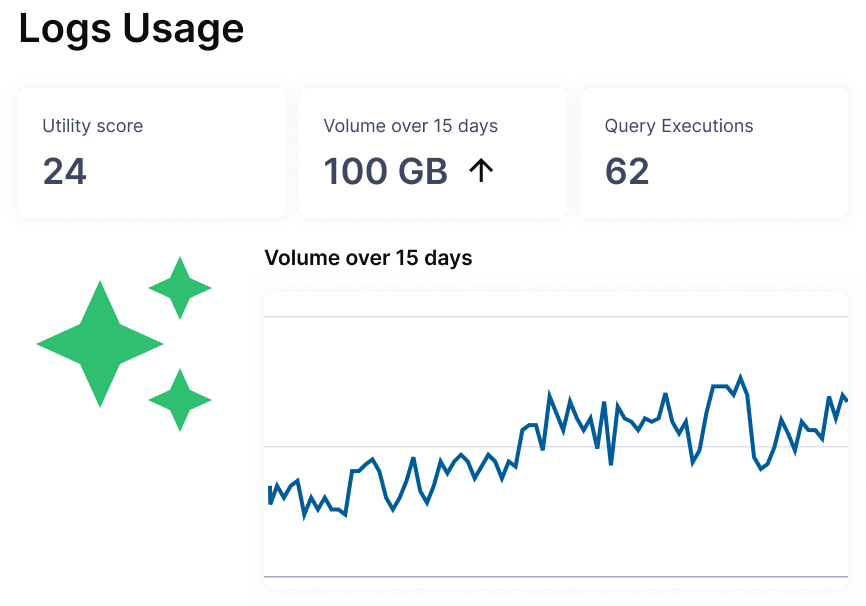
Part of your unified observability platform. Built-in Usage Analysis helps you achieve sustainable cost control.
Save 30%+ on your existing logging platform
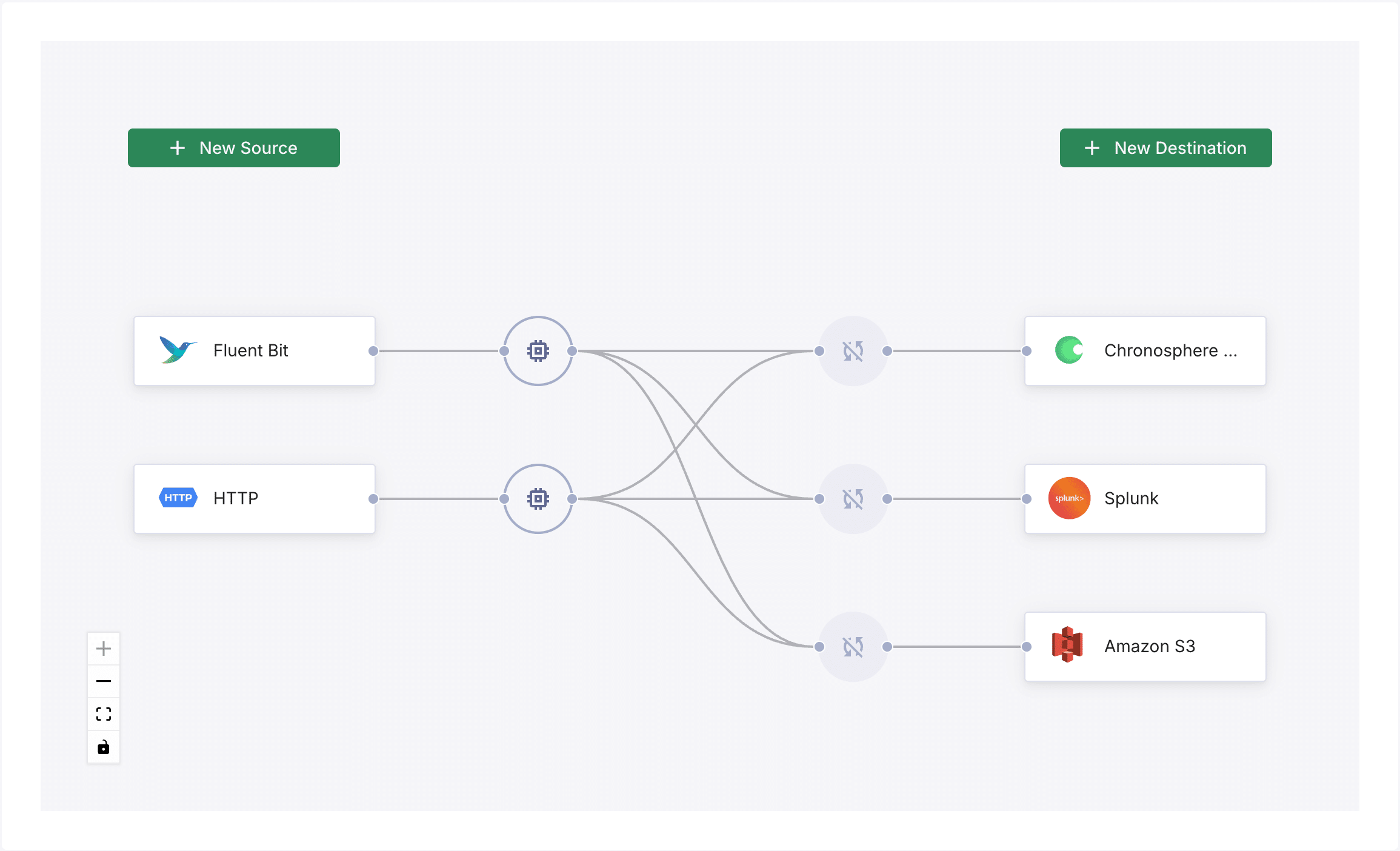
Remove low-value logs and trim verbose data before it reaches your downstream platforms
Send different data types to cost-optimal destinations based on your usage and retention needs
Use out-of-the-box integrations and pre-built templates to process data based on your data source or destination

Speed up migration to your new logging platform
Dual-route data to both old and new platforms simultaneously, eliminating migration risk and accelerating evaluations
Automatically reshape data formats to match new platform requirements without code changes
Maintain access to historical data through object storage during and after migration
Sustain cost control with Chronosphere Logs
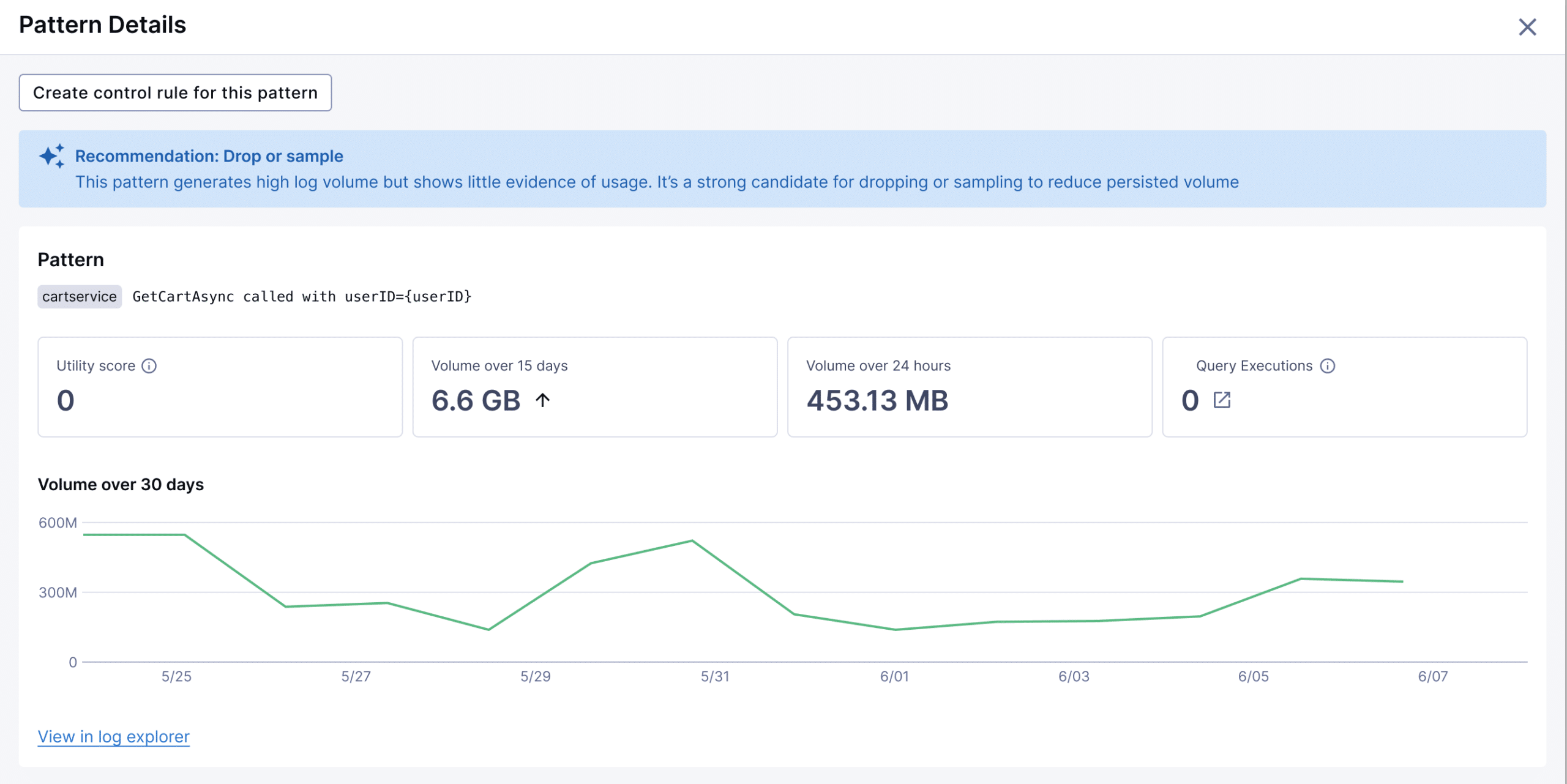
Understand exactly which logs teams use and how, enabling data-driven optimization decisions
Get automated suggestions to reduce noise while preserving analytical value of critical data
Allocate capacity by business priority and empower individual teams to manage their own data strategy


 Blog
Blog
 Whitepapers